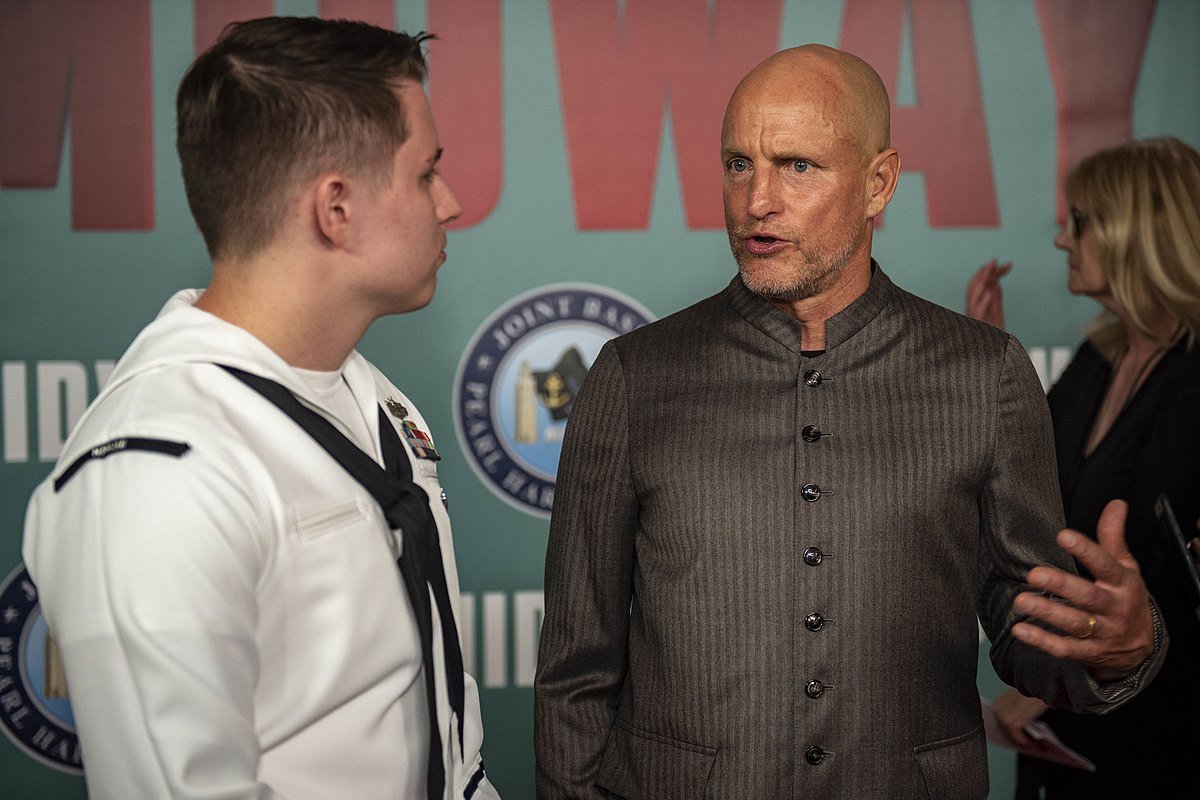
The new documentary KULEANA — narrated by Woody Harrelson — uses Hawaiʻi as both backdrop and main character to tell a hard-hitting story about plastic pollution and its effects on our oceans.(Maui News)
The film premiered recently at Hawaii International Film Festival (HIFF45), bringing together scientists, surfers, and community leaders to highlight how plastic trash from around the world ends up on our shores — threatening coral reefs, sea life, and even human health. (Hawai‘i International Film Festival)
Notably, researchers from University of Hawaiʻi at Mānoa are featured — they shared findings that microplastics are now being found in blood samples, and possibly even in human placentas here in Hawaiʻi. (University of Hawaii)
👀 Why This Matters to Us — Here at Home
- The ocean connects all of us. Even if you live on Oʻahu, Kauaʻi or Maui, what washes ashore — or pollutes ocean currents — impacts Hawaiʻi’s reefs, marine life, and the cultural foundations tied to ʻāina and kai.
- Hawaiʻi at the frontline. Because of where we sit in the Pacific, our islands act as a kind of filter: plastic and debris from across the ocean often end up here first. This film forces us to face a truth many prefer to ignore. (Maui News)
- From awareness to action. KULEANA isn’t just a film — it’s a call to stewardship. It encourages locals and visitors alike to rethink plastic use, support reef-safe practices, and treat the ocean with the respect it deserves.
🌺 What You Can Do — Locals & Readers of Hawaiʻi Monthly
- Watch KULEANA if you get the chance (HIFF screenings or future showings). It’s powerful viewing and hits close to home.
- Reduce single-use plastics — choose reusable bottles, reef-safe sunscreen, avoid disposable packaging.
- Support local organizations that work on ocean cleanup, reef restoration, and beach conservation.
- Share what you learn with friends, family, and visitors — awareness often leads to respect and better choices.